
Bond Beach, usually alive with laughter, footsteps in the sand, and the steady rhythm of waves, fell into an eerie silence after a brutal terror attack claimed the lives of sixteen people. What should have been a peaceful Jewish festival gathering turned into one of the darkest nights in Sydney’s attack recent memory, leaving families shattered and a nation grappling with grief, fear, and unanswered questions.
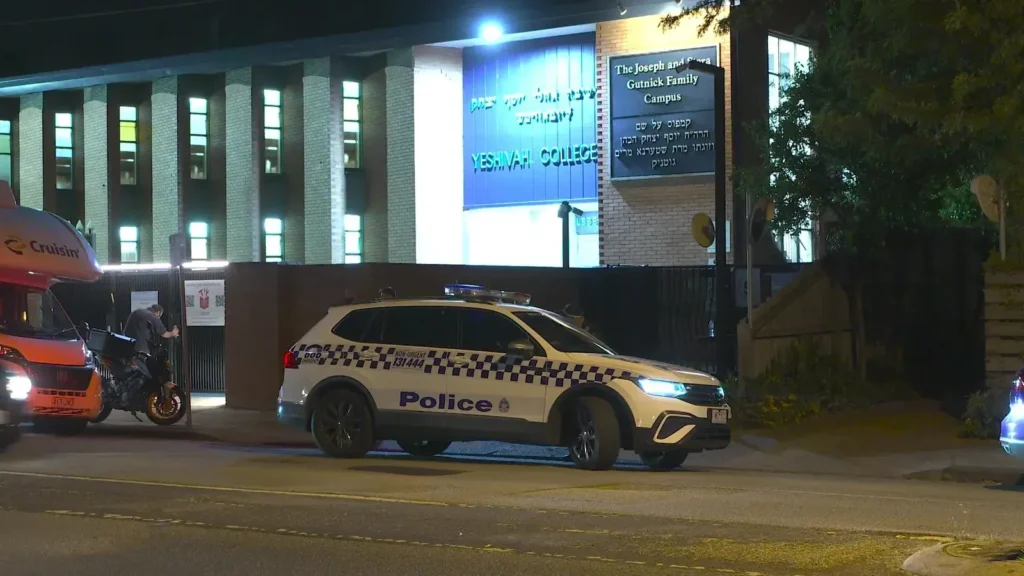
The attack struck at the heart of a community celebration—an event rooted in faith, remembrance, and unity. Instead of candlelight and prayer, the night ended with flashing emergency lights, sirens, and scenes that many witnesses say will stay with them forever.
Families arrived early, children played near the shoreline, and elders stood together sharing stories and prayers. The atmosphere was calm and reflective, with many attendees describing a strong sense of peace as the sun set over the ocean.
Organizers wanted a space that reflected inclusion and the ability to practice faith openly in Australian society.
Then came screams. People realized they were under attack.
As the attacker opened fire, panic spread rapidly. People ran in all directions, some dropping belongings, others trying desperately to shield children or help those who had fallen. The open beach offered little cover, intensifying the fear.
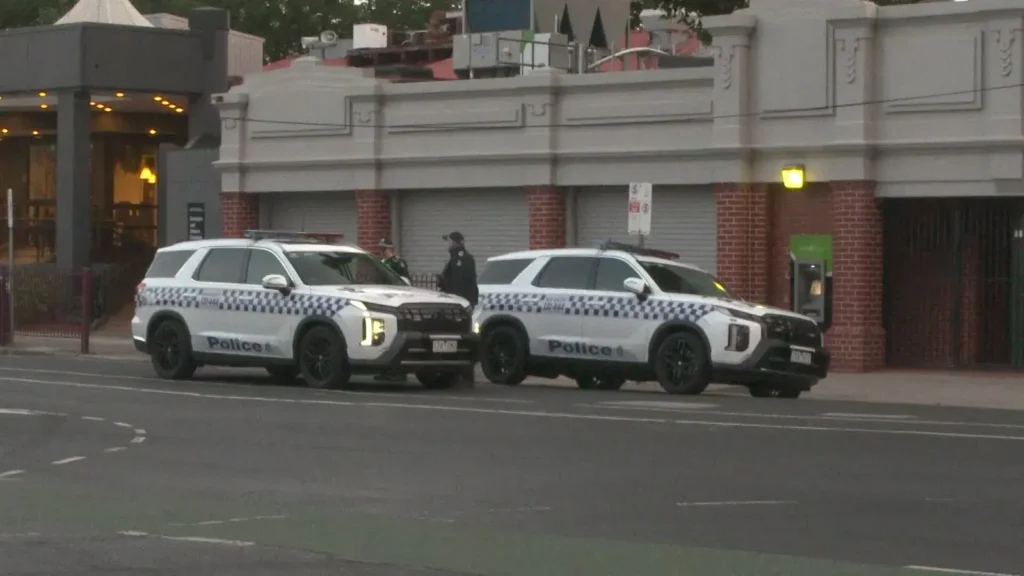
Emergency calls flooded dispatch centers as police and medical teams rushed to the scene. Lifesavers, already present along the beach, were among the first to assist the injured, using towels and basic first aid while waiting for ambulances.
In the hours following the attack, authorities confirmed multiple fatalities. By the following day, officials confirmed that sixteen people had died as a result of the attack.
Several others remained hospitalized, some with life-threatening injuries. Doctors and nurses worked through the night, supported by trauma specialists called in from across the city.
Hospitals reported an overwhelming response from the public, with long lines of people volunteering to donate blood
For Sydney’s Jewish community, the attack was deeply personal. Religious festivals are moments of continuity—times when generations gather to remember history, faith, and survival. The violence inflicted during such a moment left many feeling exposed and vulnerable.
Synagogues and community centers opened their doors for prayer and support.
Community leaders spoke openly about grief, but also about resilience. They urged people not to retreat into fear or anger, emphasizing that hatred must not define the response to tragedy.
The attack sent shockwaves far beyond bonded. Australians across the country woke up to the news with disbelief. Social media filled with messages of sorrow, solidarity, and anger at the senseless loss of life.
Political leaders from all sides condemned the attack and expressed condolences to the victims’ families. aces, schools, and public institutions.
Government officials described the incident as an attack on Australian values—freedom of religion, peaceful coexistence, and community trust.
As the immediate shock began to fade, difficult questions public emerged. How could such an attack occur in a country known for strong public safety measures?
Authorities launched a full investigation, examining the attacker’s background, motivations, and any potential warning signs. Security arrangements for public events also came under scrutiny, particularly those held in open spaces like beaches and parks.
Striking a balance between openness and security remains a complex issue.
Bondi Beach has long been a symbol of Sydney’s lifestyle—open, relaxed, and communal. In the days after the attack, the beach was noticeably quieter. Some residents said they felt uneasy returning, while others deliberately came to show solidarity and reclaim the space.
Experts warned against allowing fear to change daily life too drastically, noting that terror attacks often aim to disrupt normal routines and create lasting anxiety.
Community leaders encouraged people to remain vigilant but not withdrawn, emphasizing that public spaces belong to everyone.
Amid the grief, moments of unity stood out. Leaders from Christian, Muslim, Hindu, and other faith communities joined Jewish leaders at vigils across Sydney.
Many attendees described these gatherings as powerful reminders that violence cannot erase shared humanity.
They were parents who brought their children to celebrate, elders who had lived through decades of history, and young people whose lives were just beginning.
Makeshift memorials appeared along Bondi Beach. Flowers, handwritten notes, and candles lined the sand, transforming the shoreline into a place of collective remembrance.
Families spoke of unimaginable loss, while friends shared stories of kindness, laughter, and everyday moments that now carry profound meaning.
Mental health professionals warned that the emotional impact of the attack would extend far beyond those physically injured. Witnesses, first responders, and even people who followed the event through news coverage may experience trauma, anxiety, or fear.
Healing, experts noted, takes time and community support.
Journalists and editors faced the challenge of informing the public without amplifying fear or glorifying violence.
Many outlets pledged to focus on victims’ stories and verified information, avoiding unnecessary repetition of graphic details. Responsible reporting, experts said, plays a crucial role in how societies process trauma.
As Sydney and the nation continue to mourn, attention is slowly turning toward the future. How communities respond in the long term—through policy, dialogue, and mutual understanding—will shape the legacy of the attack.
Leaders stressed that unity is the strongest response to terror. Acts of compassion, support for victims, and continued commitment to peaceful coexistence stand in direct opposition to the intentions behind such violence.

Hi, this is a comment.
To get started with moderating, editing, and deleting comments, please visit the Comments screen in the dashboard.
Commenter avatars come from Gravatar.