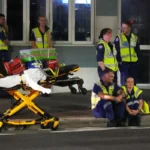
When the shots rang out at bonded Beach, instinct took over. People screamed. Some dropped to the sand. Others ran without looking back. In those terrifying seconds, fear ruled almost everything.
Almost.
While most people fled, one man moved the other way.
His name is Ahmed.
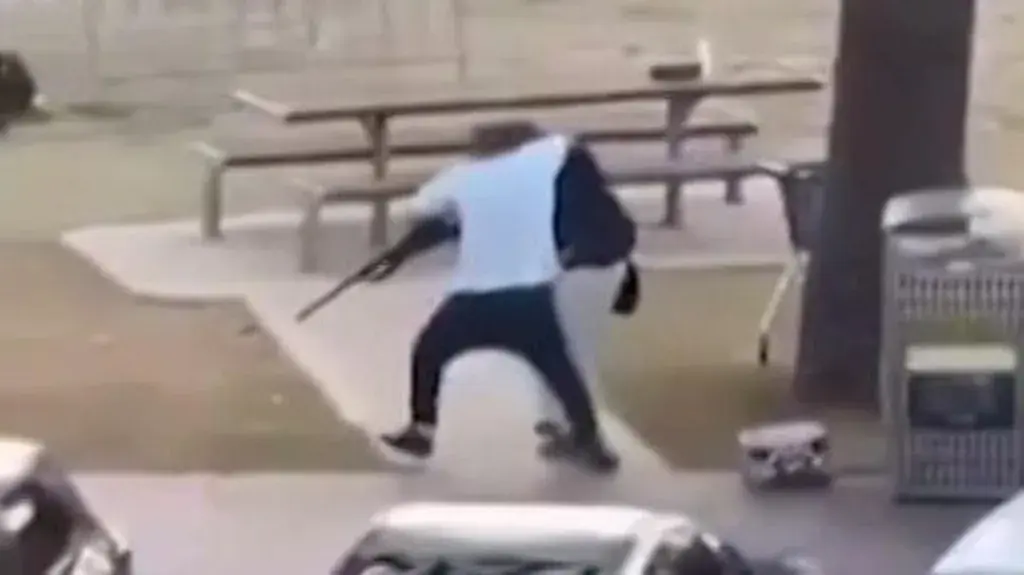
Witnesses say Ahmed didn’t shout. In the chaos of the attack, Ahmed shooter wrestled a gun from the attacker, an act police say likely prevented further bloodshed.
Those who were there remember the confusion more than anything else. Bondi Beach, usually loud with conversation and crashing waves, became a place of panic.
“At first, no one knew what was happening,” one witness said. “Then people started screaming, and everyone ran.”
Everyone—except Ahmed.
Several witnesses recalled seeing him move toward the attacker while others fled. One described it as unreal, like watching something happen in slow motion.
“I remember thinking, ‘Why is he going that way?’” the witness said. “Then I saw him grab the gun.”
The struggle was violent and brief. Sand kicked up. Bodies moved. And then, suddenly, the weapon was no longer in the attacker’s control.
While officers were quick to stress that confronting an armed attacker is incredibly dangerous, they acknowledged that Ahmed’s actions were critical.
Ahmed himself has not tried to take credit.
In a short message shared through community representatives, he said he didn’t think of himself as brave.
“I didn’t plan anything,” he said. “I just reacted.”
Those who know him say that reaction doesn’t surprise them.
Friends describe Ahmed as quiet, grounded, and deeply private. He’s someone who keeps to himself, helps when needed, and avoids attention.
“This whole thing has been really hard for him.”
Ahmed had attended the event as a normal member of the community. He didn’t arrive expecting danger. He didn’t imagine becoming part of the story.
And that, many say, is what makes his actions so powerful.
He wasn’t looking to be a hero. He just refused to look away.
As Ahmed’s name spread, so did public praise. Messages flooded social media. People called him brave, selfless, extraordinary.
But behind the admiration is a man trying to process what he lived through.
Mental health professionals say this is common. People who intervene in violent events often struggle afterward—replaying moments, questioning choices, carrying guilt simply for surviving.
“Being called a hero doesn’t erase trauma,” one psychologist explained. “Sometimes it adds pressure.”
Those close to Ahmed say he has asked for privacy, and community leaders have urged the public to respect that request.
In the days following the attack, Ahmed’s story took on broader meaning.
“This wasn’t about where he comes from,” one interfaith leader said. “This was about humanity.”
At vigils, speakers mentioned his courage alongside the names of those lost—not to overshadow grief, but to remind people that goodness still exists even in horror.
Candles burned. People cried. And again and again, someone would quietly say, “Thank God he was there.”
Ahmed’s actions were exceptional precisely because they are rare.
Most people freeze. Some run. A few help others escape.
Very few step forward.
“What he did goes against every survival instinct,” one analyst said. “That’s why people are calling him a hero.”
Friends say Ahmed hasn’t slept well since the attack. Loud noises make him tense. Silence feels heavy.
“He keeps saying he wishes no one had died,” one friend shared quietly.
That kind of emotional weight, experts say, is common among people who intervene in crises—even when their actions save lives.
Support services have encouraged him to take time, seek counseling, and step away from public attention.
Healing, they say, doesn’t follow headlines.
Whether he wants it or not, Ahmed’s actions have become part of bonded Beach’s story.
Parents have told their children about the man who ran toward danger. Teachers have mentioned him when talking about courage. Strangers have left notes near the beach saying thank you.
But those closest to him hope something simple—that one day, he’ll be able to return to being just Ahmed again.
Not a headline. Not a symbol.
Just a man who did what he could when it mattered most.
The bonded Beach attack left deep scars. Lives were lost. Families were changed forever. A place known for peace was marked by violence.
But in the middle of that darkness, one ordinary person made an extraordinary choice.
Ahmed didn’t stop the tragedy. But he stopped it from becoming even worse.
And for many that choice— made without thought of praise or reward— will always stand as proof that even in the most terrifying moment’s humanity can still rise.