NASHVILLE, Tenn. — The Tennessee Titans have officially fired head coach Brian Callahan just six games into the 2025 NFL season, following a disappointing 1-5 start and growing frustration within the organization and fan base.
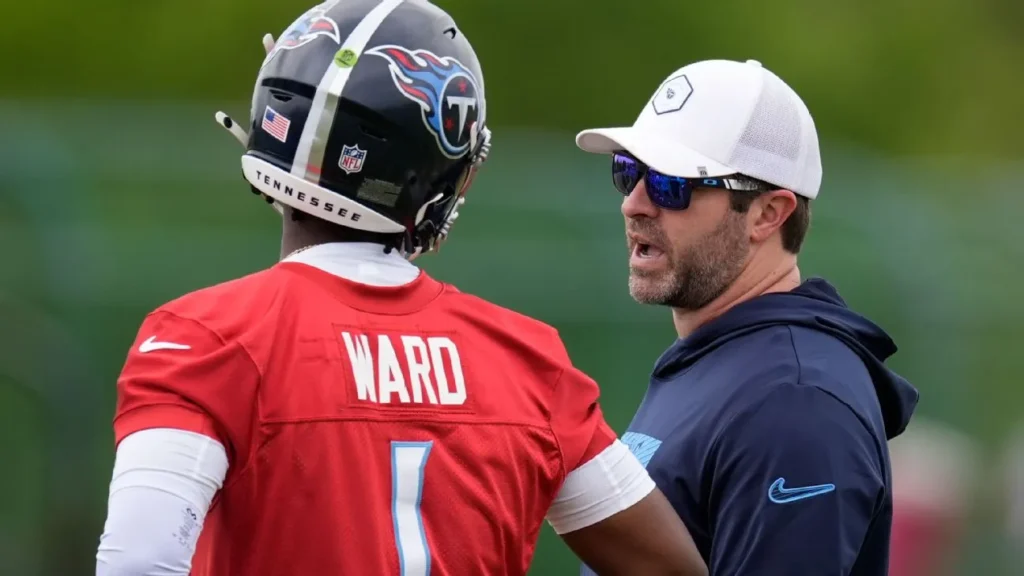
The announcement came Monday morning, less than 24 hours after the Titans’ 20–10 loss to the Las Vegas Raiders — a defeat that seemed to seal Callahan’s fate. What began with optimism and talk of a “new offensive era” in Nashville has ended in abrupt disappointment, leaving the franchise searching yet again for direction.
A Short-Lived Era of Hope
When Brian Callahan was hired in January 2024, it felt like a breath of fresh air for Tennessee. The franchise was coming off years of inconsistency under Mike Vrabel, and management wanted a young, offensive-minded coach who could modernize their attack and develop a new quarterback.
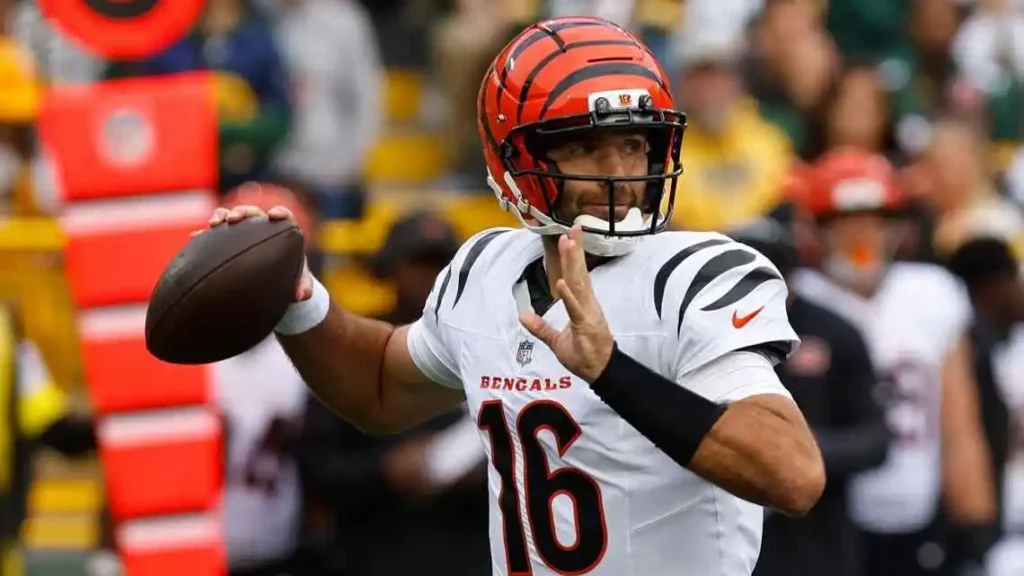
Callahan, just 40 at the time, came with a strong résumé. He had spent several seasons as the offensive coordinator for the Cincinnati Bengals, working alongside Zac Taylor and helping develop Joe Burrow into one of the league’s elite quarterbacks. Titans ownership saw him as the man who could do the same in Nashville.
He also brought experience and family pedigree — his father, Bill Callahan, a longtime offensive line guru and former Raiders head coach, joined his staff as the O-line coach. There was buzz, excitement, and the feeling that the Titans were finally catching up with the modern NFL.
But as it turns out, optimism doesn’t score touchdowns.
The Struggles Begin
The first season under Callahan, 2024, was rough — 3-14 — but there was grace from the front office. Everyone knew this was a rebuild. The Titans had major issues across the roster: a shaky offensive line, no true WR1, and uncertainty at quarterback after moving on from Ryan Tannehill.
Callahan and new general manager Mike Borgonzi entered 2025 believing things would turn around. They drafted Cam Ward, a talented but raw quarterback out of Miami (Ohio), with the No. 1 overall pick. Ward was billed as the future — mobile, confident, and armed with a big arm.
Yet from the opening weeks of the 2025 season, the same old problems haunted the Titans. The offensive line struggled to protect Ward, the run game was inconsistent, and the defense — once the backbone of the franchise — looked tired and uninspired.
By Week 6, the team had scored only 83 points total, the lowest six-game mark for the Titans in nearly 40 years. Fans were booing by halftime, social media was ruthless, and even inside the locker room, confidence was fading.
The Breaking Point
The final straw came in Week 6 against the Raiders. Tennessee’s offense looked completely out of sync — a mix of predictable play-calling and sloppy execution. Ward threw two interceptions, the offensive line gave up four sacks, and the Titans managed only 10 points.
After the game, Callahan was visibly frustrated.
“We all have to do our jobs better — players, coaches, everyone,” he said. “Losing isn’t acceptable, and we’re all accountable.”
But it was clear his words no longer carried weight. According to multiple reports, the front office had already begun discussing his future before the Raiders game. The loss simply confirmed what everyone suspected — the team wasn’t progressing, and Callahan wasn’t the leader to fix it.
By Monday morning, the decision was official. Team president Chad Brinker made the announcement:
“After careful evaluation and many conversations, we’ve decided to move in a new direction. We appreciate Brian’s work and the professionalism he brought to our organization, but we need to see tangible growth, and we’re not where we need to be.”
Callahan’s record in Tennessee: 4-19 across parts of two seasons.
Why It Failed: A Deep Dive
1. An Offense That Never Found Its Identity
The Titans hired Callahan to build a fast, creative, high-scoring offense. What they got was almost the opposite — conservative play-calling, miscommunication, and repeated breakdowns.
By Week 6, Tennessee ranked 30th in total offense and 31st in passing efficiency. The run game, once the hallmark of the franchise during Derrick Henry’s era, was non-existent without a dominant offensive line.
Callahan was supposed to be the play-caller who modernized Tennessee. Instead, he gave up play-calling duties to quarterbacks coach Bo Hardegree just three weeks into the season. That decision — though seen as a last-ditch effort — only added to the perception that the staff was scrambling for answers.
2. Cam Ward’s Tough Rookie Transition
Rookie quarterback Cam Ward faced a brutal learning curve. Though talented, he was thrown into an unstable environment with a porous offensive line and limited weapons. Ward’s confidence took a hit early, and while flashes of potential appeared, consistency was missing.
Callahan’s history with Joe Burrow led many to believe he’d be a great quarterback developer, but this situation was far different. Burrow entered the league with a loaded Bengals offense; Ward, by contrast, was trying to survive behind constant pressure.
Insiders say Callahan’s coaching style — detail-oriented but rigid — didn’t always connect with a young, improvisational player like Ward. There was effort, but not chemistry.
3. Cultural Disconnect
One common theme among Titans players this season was a lack of “energy” or “urgency.”
Veteran defensive tackle Jeffery Simmons said after the Raiders game, “We practice slow, we play slow. We’ve got to get back to being physical and disciplined.”
That quote said a lot. The Titans’ old identity under Vrabel — tough, gritty, physical — had evaporated. Callahan’s analytical, system-first approach clashed with a roster still built on blue-collar toughness.
It’s not that his methods were wrong — they just didn’t fit the DNA of the locker room.
4. Front Office Pressure and Fan Backlash
Since moving to Nissan Stadium in 1999, the Titans have prided themselves on stability. But after years of mediocrity and coaching turnover, patience has worn thin.
Fans booed the team off the field during back-to-back home losses. Local sports radio hammered Callahan daily, and attendance began to dip. The organization — especially under a new management structure — couldn’t afford that kind of apathy.
The combination of poor performance and declining fan morale made the decision inevitable.
The Fallout: What Happens Next
The Titans have yet to name an interim head coach, though several internal names are being floated. Offensive line coach Bill Callahan, Brian’s father, could potentially step in temporarily, though that would be awkward given the family tie. Assistant head coach Terrell Williams, a respected defensive line coach, is also a likely option.
Whoever takes over will face a tall task: stabilize a locker room that’s lost confidence and develop a young quarterback under enormous scrutiny.
General Manager Mike Borgonzi is expected to lead the search for a permanent head coach once the season concludes. Sources say the Titans will look for a “leader of men” type — someone with strong communication skills, energy, and a clear identity, whether offensive or defensive.
Names already being whispered around the league include Ben Johnson (Lions OC), Jerod Mayo (Patriots HC, if he’s fired), and Lou Anarumo (Bengals DC).
What This Means for Brian Callahan
Callahan’s coaching future is far from over. At 41, he remains one of the youngest head coaches to ever get an NFL shot, and his offensive pedigree still carries weight. It wouldn’t be surprising to see him land a coordinator role elsewhere — perhaps even back with Cincinnati or another team looking for offensive experience.
But this stint will sting. It’s a lesson in how fast the NFL moves and how little patience struggling teams have.
As one league executive told The Athletic:
“Brian’s a sharp guy, but the Titans weren’t built to give him time. He walked into a teardown and couldn’t stop the bleeding fast enough.
The Bigger Picture for the Titans
The Titans’ firing of Callahan makes them the first team in the 2025 season to part ways with their head coach — a distinction no franchise wants. But in a league where urgency drives decisions, it’s hardly surprising.
The team now faces a crossroads. With a rookie quarterback, an unsteady roster, and an impatient fanbase, this next coaching hire might define the direction of the franchise for years.
Tennessee’s leadership insists they still believe in their young core — Cam Ward, wide receiver Treylon Burks, defensive end Harold Landry, and safety Amani Hooker — but faith only lasts so long without wins.
A Familiar NFL Pattern
Callahan’s firing is part of a larger trend across the league. NFL teams are less patient than ever with young coaches. In the past five seasons, more than half of first-time head coaches have been dismissed within two years.
It’s the product of enormous pressure — from ownership, media, and fans — for immediate results. And in a sport where every game matters, a 1-5 start often leaves little room for recovery.
For Callahan, the failure wasn’t just about losing games; it was about failing to establish a clear identity. The Titans didn’t look like a team on the rise — they looked lost. That, more than anything, sealed his fate.
Looking Ahead
As the Titans turn the page, they face a season that now shifts from contention to evaluation. Can Cam Ward grow despite the chaos? Can the defense find consistency? Can someone inside the building steady the ship and restore belief?
The Titans have been here before — rebuilding, rebranding, trying to convince their fans that better days are ahead. This time, though, they can’t afford another misstep. The franchise needs a coach who not only understands Xs and Os, but who can command a room, inspire a locker room, and give Tennessee football a pulse again.
Brian Callahan’s tenure in Nashville will be remembered as a promising idea that never materialized. He came with pedigree, intelligence, and a modern approach — but in the unforgiving world of the NFL, potential means little without results.
The Titans’ decision to fire him after just 22 games underscores how desperate the organization is to turn the page and start fresh. It’s a cold move, but a calculated one.
Whether it ultimately proves right will depend on who comes next — and whether Tennessee can finally find the stability it’s been chasing for nearly a decade.
For now, the Brian Callahan era is over.
And in Nashville, the search for answers continues.