weWhen President Donald J. Trump stepped off Air Force One in Jerusalem this ek, the scene looked like a political movie set. Red carpets unfurled, cameras flashed, and an orchestra played as he waved, smiling broadly. “We’ve achieved peace,” he declared, as if the words alone could make it true.
The ceasefire between Israel and Hamas had finally taken hold after nearly two years of brutal war. Hostages were coming home, rockets had stopped flying, and the humanitarian crisis in Gaza had — at least for now — paused. And Trump, never one to miss a chance for showmanship, was ready to take a victory lap.
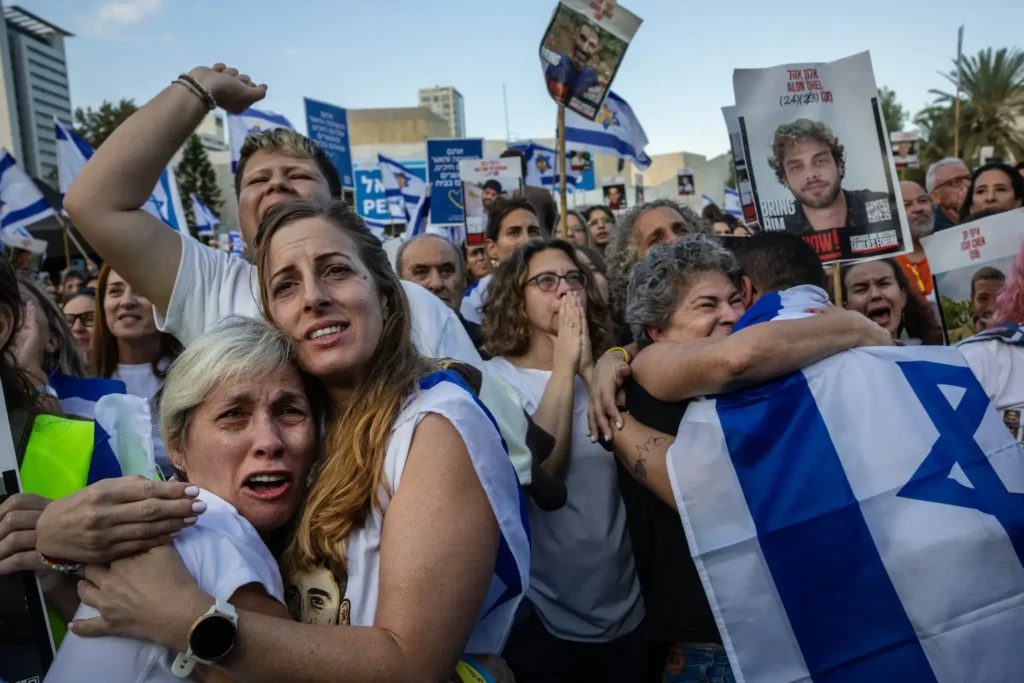
The question, though, is what comes next.
Trump has always excelled at claiming credit for moments of drama. He is a master of optics — of headlines, declarations, and grandstanding. But now, as the dust settles, the harder part begins: turning that ceasefire into something lasting.
So far, the president seems far more eager to celebrate than to explain.
A Triumphant Return
For Trump, the week felt like vindication.
Only months earlier, critics had mocked his attempt to broker peace in the Middle East as naïve, self-serving, or doomed. Yet against all odds, he managed to help bring about a ceasefire — a rare achievement in a region known for endless conflict.
Trump arrived in Israel to a hero’s welcome. In a high-profile address to the Knesset, he declared the Gaza war “over” and hailed the moment as “a new dawn for peace.” Standing beside Israel’s president, he promised that America would lead “the greatest reconstruction effort the world has ever seen.”
The speech was classic Trump: sweeping, self-congratulatory, and light on specifics. But it hit the emotional tone he wanted — triumph after turmoil, victory after chaos.
“People said it couldn’t be done,” he told the crowd. “But I did it.”
A Show of Power — and Distractoin
Behind the applause, though, lingered unease. The ceasefire might have ended the bombing, but it hadn’t resolved the deeper political questions that fueled the war.
Who would govern Gaza now? How would reconstruction work? What guarantees existed that violence wouldn’t erupt again?
Trump had few answers — or at least, none he was willing to share publicly. When reporters pressed him during his Sharm El-Sheikh summit appearance, he sidestepped the details. “It’s all taken care of,” he said with a grin. “You’ll see very soon. Everything’s going beautifully.”
To his supporters, this confidence was reassuring — the image of a leader who projects control even amid complexity. To critics, it was evasive and dangerous.
“The president is celebrating a victory that isn’t fully real yet,” said one U.S. diplomat involved in the talks. “He’s declaring peace before we’ve even built the foundation for it.”
The Ceasefire Deal: A Quick Fix or a Turning Point?
The deal Trump brokered — with help from Egypt, Qatar, and Turkey — has four main pillars:
Immediate ceasefire between Israel and Hamas.
Exchange of hostages and prisoners within days of signing.
Withdrawal of Israeli troops from key areas in Gaza.
Creation of an international stabilization force to oversee humanitarian aid and security.
On paper, it’s ambitious. In reality, it’s fragile.
Israeli troops remain stationed along Gaza’s borders, wary of new attacks. Hamas, weakened but not destroyed, still has influence in the region. Aid convoys continue to struggle through damaged roads. And although airstrikes have stopped, sporadic violence persists in smaller towns.
But for Trump, the timing was perfect. Just as domestic controversies threatened to consume headlines, the Gaza ceasefire gave him a fresh narrative — one of global leadership and success.
A Carefully Choreographed Victory Lap
The “victory tour,” as aides privately called it, was meticulously planned.
Trump first visited Israel, where he addressed parliament and held joint press conferences with Israeli leaders. Then he flew to Egypt for a major summit in Sharm El-Sheikh, joined by dozens of heads of state and foreign ministers. The event, broadcast live across global networks, felt less like diplomacy and more like a coronation.
“He’s not just taking credit — he’s reclaiming the stage,” said one European journalist covering the trip.
And reclaiming the stage is exactly what Trump wanted. His administration’s first year back in office had been marked by internal turmoil, budget battles, and lingering investigations. The Middle East ceasefire offered him something tangible to celebrate — a rare example of international achievement.
Every image, every handshake, every speech was designed to reinforce that message: Trump the peacemaker, the dealmaker, the indispensable leader.
The Questions He Won’t Answer
Yet even as he basks in applause, uncomfortable questions are piling up — and Trump shows little interest in addressing them.
Who Governs Gaza?
Trump’s ceasefire plan mentions a “transitional administration” but offers no clear explanation of what that means. Will it involve Hamas? The Palestinian Authority? An international body? So far, no one knows.
Who Pays for Reconstruction?
Rebuilding Gaza will cost tens of billions of dollars. Trump insists that Gulf nations like Saudi Arabia and the UAE will foot most of the bill, but no formal commitments have been announced.
What Happens to Hamas?
The ceasefire calls for “disarmament and demilitarization,” but how that will be achieved — and enforced — remains unclear. Israel doubts Hamas will ever give up its weapons, and Hamas sees Israeli withdrawal as incomplete.
What’s America’s Role Now?
Trump has framed the ceasefire as the end of U.S. involvement, saying, “We made the deal — now it’s up to them.” But foreign policy experts warn that peace in the region will collapse without consistent diplomatic engagement.
“Deals are easy,” said a former U.S. negotiator. “What’s hard is staying in it when the cameras leave.”
Critics Warn of Fragile Peace
Some analysts worry that Trump’s rush to declare victory could undermine long-term stability.
By overselling the ceasefire as a permanent solution, they argue, he risks eroding accountability. If violence returns, the blame could fall on local actors rather than on the flawed deal itself.
Others say Trump’s focus on publicity — speeches, ceremonies, headlines — distracts from the painstaking diplomacy required to turn ceasefire into peace.
“Trump loves the deal,” said one Middle East expert. “But he’s not a details guy. And peace is all details.”
Human rights groups have also criticized his administration for ignoring the humanitarian crisis that still grips Gaza. While aid trucks have resumed movement, the flow is slow, infrastructure is shattered, and hospitals are barely functioning.
“Peace isn’t just about silence between rockets,” said a UN representative in Rafah. “It’s about rebuilding lives. And that work has barely begun.”
Supporters See a Strategic Win
Despite the criticism, Trump’s allies see the ceasefire as a political and strategic triumph.
They argue that his willingness to pressure Israel — long America’s closest ally in the region — showed boldness that previous presidents lacked. His insistence on a deal, even when unpopular, forced both sides to compromise.
They also credit his relationships with Gulf Arab leaders — particularly those forged during his first term — for making the agreement possible. “He knows how to talk to these guys,” said one senior White House adviser. “They trust him because he speaks in terms of deals, not lectures.”
Trump himself has used the moment to reinforce his brand. In his speeches, he portrays the ceasefire as the ultimate proof that “the Trump Doctrine works” — direct pressure, personal diplomacy, and “America First” realism.
For his base, it’s a narrative that resonates: Trump as the man who brings peace through strength.
The Domestic Angle
Back home, the optics couldn’t have come at a better time.
Trump has been under pressure from Congress over his budget and facing questions about his handling of immigration and the economy. The Gaza ceasefire, splashed across global headlines, offered a welcome distraction — and an opportunity to remind Americans that he’s still capable of delivering big results.
Cable networks broadcast his every move abroad. Supporters rallied on social media, praising him for “ending a war that Biden couldn’t.”
Inside the White House, aides privately admitted that the trip was as much about political image as policy. “Every president needs a win,” one official said. “This was his.”
Beyond the Celebration: What’s Next?
The real test, however, lies ahead.
Sustaining peace in Gaza will require months — if not years — of monitoring, rebuilding, and careful diplomacy. The ceasefire’s success depends on fragile cooperation among rivals, consistent funding, and the willingness of both sides to resist provocations.
Yet Trump’s public tone suggests he’s already moved on. He speaks about Gaza as if it’s a solved problem, not a continuing challenge. “We fixed it,” he said during a rally in Florida. “They said it couldn’t be done — but we fixed it.”
Foreign policy experts warn that this premature sense of completion could prove disastrous. “You can’t just drop a deal in Gaza and walk away,” said a former CIA analyst. “If America steps back now, the whole thing could unravel in weeks.”
The Fine Line Between Theater and Leadership
There’s no denying that Trump understands the power of political theater. His instincts for timing, optics, and narrative are unmatched. But the line between theater and leadership is thin — and history tends to remember which side a leader ends up on.
In the short term, Trump’s victory lap may strengthen his image and boost his political capital. In the long term, his legacy will depend on whether the ceasefire he celebrates can hold under real-world pressure.
A Moment That Could Define His Presidency
If peace in Gaza endures, Trump’s role could be remembered as one of the most unexpected diplomatic victories in modern history. It could cement his reputation as a disruptor who, despite the critics, achieved what traditional diplomacy could not.
But if the truce collapses — if the rockets return, if Gaza descends again into chaos — his grand celebration will look hollow, even reckless.
As one veteran diplomat put it, “History doesn’t reward who throws the party. It rewards who cleans up afterward.”